
How Project Street Vet Works and Who It Can Help

Expert verifiedSources and qualifications checked
Nora Bennett reviews clarity, structure and the writer’s voice. Adrian Cole reviews source support, qualifications and image attribution.
Reviewed November 8, 2026 for this version of the article.
Meet the Editor Voices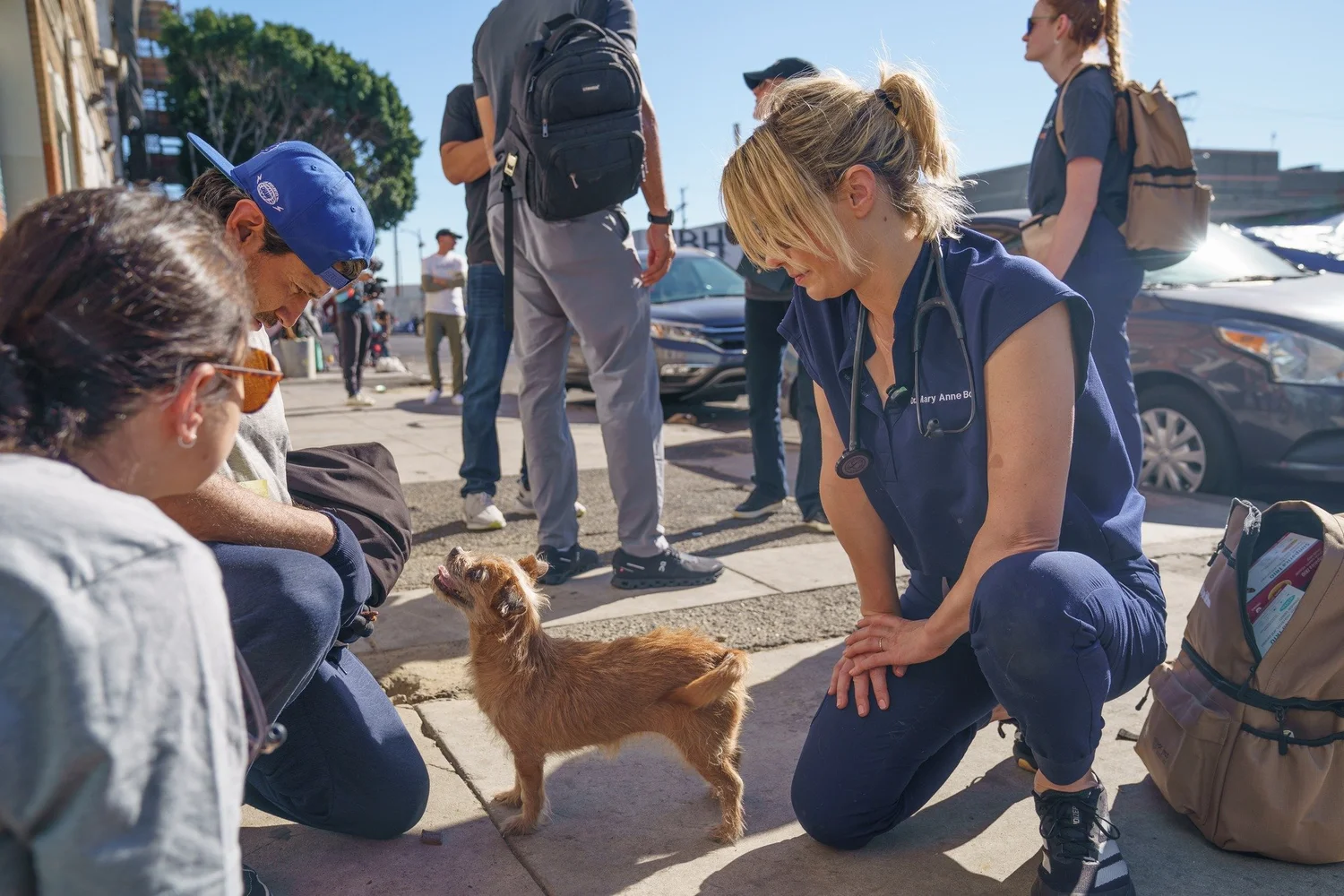
Care that begins where people are
Getting a pet to the vet can mean finding a ride, money and a place to stay. For families facing homelessness, even reaching a clinic can be hard. Project Street Vet sends volunteer vet teams out to offer free care on the street and through local partners.
The nonprofit grew from veterinarian Kwane Stewart’s work on the street. If you need help, start with three questions: Is there a team near you? What care does it offer? How do you ask for it?
What a street team can do
Project Street Vet says its volunteers visit streets and encampments to offer free vet care. The charity also holds pet clinics with local groups. These events may offer routine care, supplies and referrals. What is available depends on the team, the event and your pet’s needs.
Find the team nearest you on the current service-area page. When you get in touch, explain what your pet needs. The team or its local partner can tell you when care is available and how to request it.
Financial help has its own application process
The charity also helps some pet parents apply for grants and arrange care. It says this aid is usually for needs that are not urgent, though it may consider emergencies and surgery. Each request must meet its rules, and money must be available.
If your pet needs urgent care, contact a vet service now rather than wait for a grant decision. For a planned request, follow the charity’s current application steps. Have your treating clinic’s details ready. Ask what paperwork you need, what care the grant could cover and whether another local program might help.
Food and supplies can be part of keeping a pet at home
Project Street Vet also lists pet-food pantries in Los Angeles County. Food can help a family care for a pet between vet visits. Check where and when it is handed out before making the trip.
Ask about the next food pickup, what is available and what you need to bring. Each pantry works through local teams and partners. A program listed on the charity’s website may still be far from where you live.
Find the local team before making the trip
The service-area page lists teams in parts of California and other US cities. Open the page for your location to see what help it offers. Services and coverage can change, so check with the team before you travel.
Groups that want to host a pet clinic can use Project Street Vet’s clinic-request form. Vet professionals can sign up to volunteer. If you need care for your own pet, use the local team’s contact route instead.
A useful first step for families and helpers
Start with the charity’s service-area and program pages. Write down what your pet needs and how the team can reach you. If you are helping someone else, ask what they want help with before you make plans for them.
The next step might be a street visit, a clinic event or a food pantry. Project Street Vet works through local teams and partners to help families keep their pets fed and cared for, with a stated commitment to care without judgment.
Related stories


Caleb Morgan
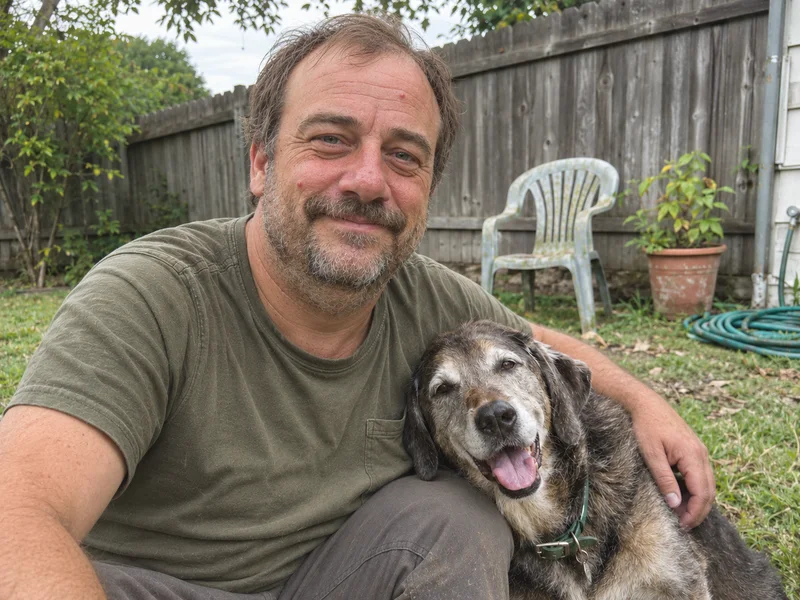
Caleb covers products that help pets move through the day, including carriers, ramps, steps, travel beds, and grooming tools. His comparisons focus on dimensions, access, storage, cleaning, and the effort required from the person using the product. He is especially interested in how those needs change with an older pet. His household includes his daughter, Jasper, a senior mixed-breed dog, and Nell, a rescue cat. He looks for the details a product page can leave until last: whether a carrier fits the space, a ramp stores sensibly, or a bed cover comes off without a struggle.