
Raw vs Cooked Dog Food. The Critics Look Beyond the Bowl

Expert verifiedSources and qualifications checked
Nora Bennett reviews clarity, structure and the writer’s voice. Adrian Cole reviews source support, qualifications and image attribution.
Reviewed November 8, 2026 for this version of the article.
Meet the Editor Voices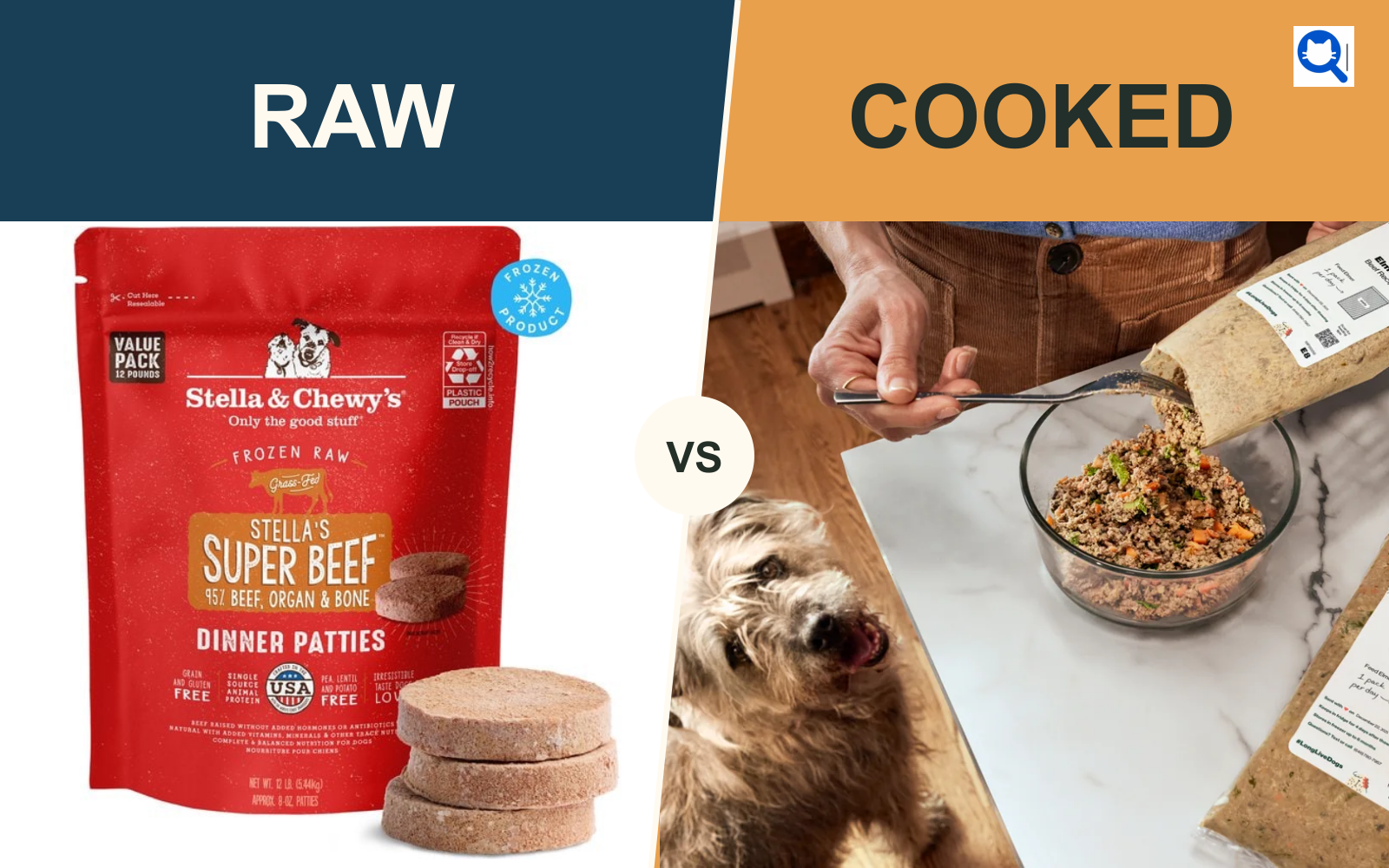
A good-looking bowl leaves several questions unanswered
Raw food and cooked fresh food can both arrive looking much closer to dinner than a scoop of kibble. Appearance does not tell you whether a food meets your dog’s nutritional needs or how it should be handled. Start by separating three questions: is it raw or cooked, is it a complete main diet and what does the household have to do to use it safely?
The food-safety distinction is substantial. CDC does not recommend feeding raw pet food or treats to dogs and cats. That advice belongs near the beginning of a comparison, before a brand’s ingredient photographs or claims about a more natural diet.
Raw, fresh and frozen describe different things
Raw means uncooked. CDC uses “fresh pet foods” for cooked foods with fewer or no preservatives that need refrigeration. Frozen describes storage: a frozen food can be raw or cooked. Freeze-dried raw food is still raw; drying does not establish that harmful germs have been removed.
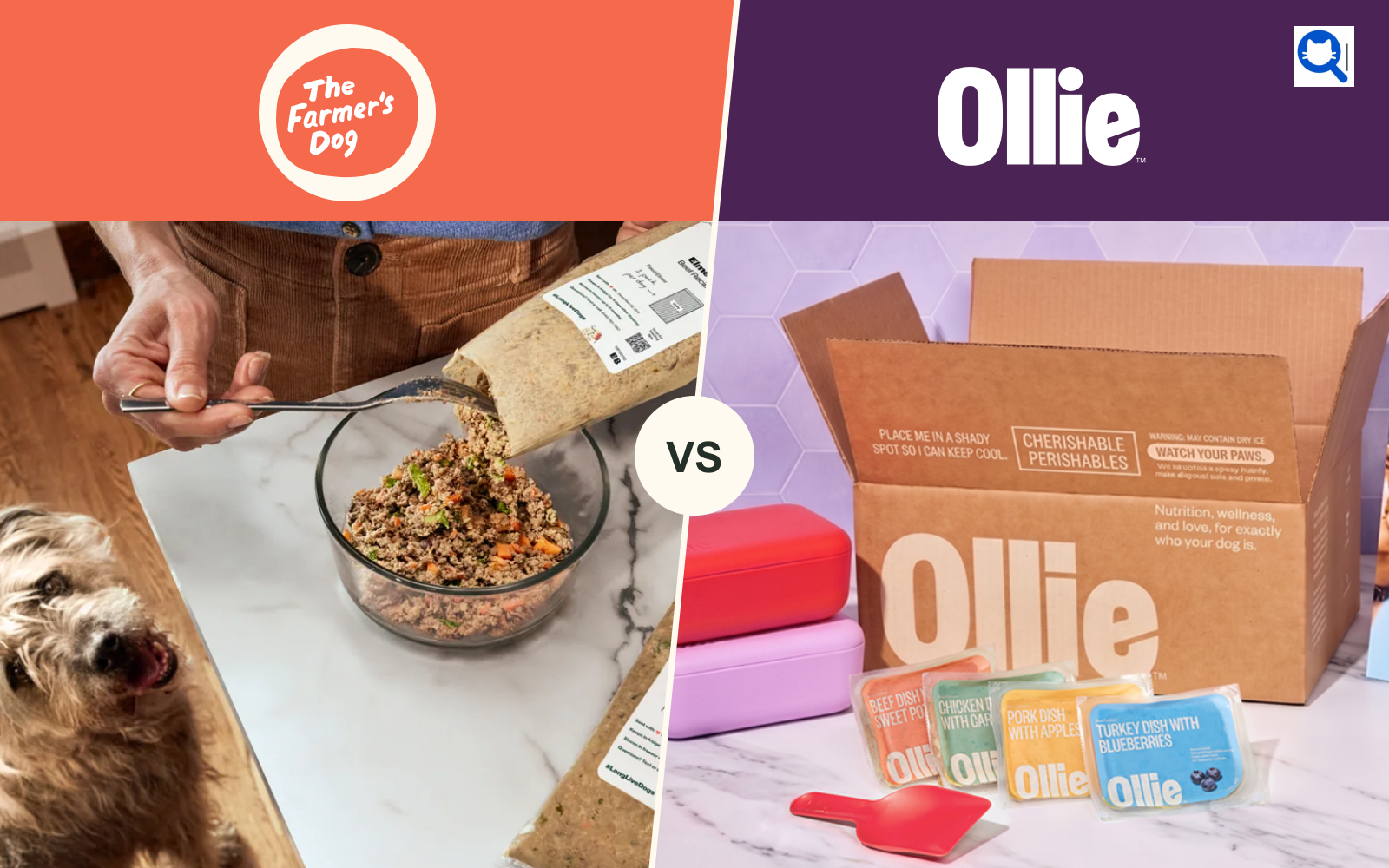
Cooked fresh subscriptions are another format. For example, The Farmer’s Dog distinguishes its frozen cooked Fresh meals from Instant Fresh, which is dried and shelf-stable. Check the exact product and preparation method, rather than using a brand name as shorthand for every food it sells.
Nutritional adequacy is a separate check
Look for the statement describing whether the food is complete and balanced for your dog’s life stage. A product intended for intermittent or supplemental feeding should not quietly become the whole diet because it looks wholesome. AAFCO’s label guidance helps explain that distinction.
The ingredient list has a different job. It tells you what is listed in the recipe, but the order and familiar names do not by themselves establish a complete feeding plan. This matters for raw products, cooked meals and home-prepared diets alike. For a dog with a medical or special nutritional need, discuss the actual recipe and feeding statement with the clinician managing it.
What the contamination evidence does show
In a study conducted from 2010 to 2012, FDA tested 196 commercial raw dog and cat food samples. Fifteen were positive for Salmonella and 32 for Listeria monocytogenes. The study is useful evidence about the hazard; it is not a current contamination rate for every brand on sale in 2026.
FDA describes risks to both the animals eating contaminated food and people handling it. CDC’s current guidance also warns that raw foods and treats can contain harmful germs. The comparison therefore reaches beyond whether a dog appears to enjoy the food. Preparation surfaces, feeding bowls and contact with people belong in the decision too.
Think about everyone sharing the kitchen
CDC identifies additional concerns around raw feeding in households with young children, older adults, pregnant people or people with weakened immune systems. Consider who prepares the meals and who has contact with the dog and its feeding area. A small-looking change in one bowl can affect more than one person.
Cooked food still needs the storage and handling specified for that product. Keep cold food cold, follow the package’s use instructions and clean the relevant utensils and surfaces. Those habits support a cooked-food routine; they do not turn raw food into a risk-free choice.
Compare the daily feeding job and the whole cost
For any two suitable products, compare the amount needed for a full day of feeding, the storage space and the actual recurring price. A bag’s weight or a box’s headline price will not tell you how many comparable meals it supplies. Keep toppers and treats separate from a complete main diet in that calculation.
There is also a practical cost in preparation. Check thawing or rehydration instructions, how long an opened pack can be used and what happens to unused food. If a routine is difficult for the person doing the feeding, that belongs in the comparison alongside the advertised ingredients.
The critics’ call starts with the evidence
A raw label is not a reason to assume a diet is a healthier upgrade. The safety warnings from CDC and FDA are a substantial reason to favor a suitable cooked, complete-and-balanced option when comparing everyday feeding choices. The exact food still has to fit the dog’s life stage and any clinical needs.
Before changing a diet, take the actual recipe, adequacy statement and feeding plan to your vet when specialist needs are involved. A useful food choice is one you can nourish the dog with and handle appropriately at home. The picture on the front of the pack cannot answer those questions for you.
Related stories


Samira Reed
Samira specializes in dog and cat supplements, food labels, and feeding products. Her focus is ingredient transparency, administration, and questions owners should take to their veterinarian. Her comparisons examine active ingredients and amounts per labeled serving, product formats, quality-testing claims, and ongoing costs. She distinguishes marketing promises from evidence for a specific formulation. Samira’s household includes her husband, their son, Maple, a beagle mix, and Cleo, a shorthair cat. She wants readers to understand what’s in the jar before adding it to the bowl.