
Can You Use Witch Hazel on Dogs? Check the Bottle Before You Reach for It

You find your dog working on the same paw again, and there’s a half-used bottle of witch hazel in the bathroom. It may seem like a simple thing to try while you figure out why the paw is bothering them. Leave the bottle on the shelf unless your veterinarian has recommended that exact product for that exact spot. A bottle sold for people gives you useful information about what it contains, but the label doesn’t tell you what’s causing the licking or what belongs on your dog’s skin.
That distinction matters most when you’re looking at an ear, a spot where the skin is open, or somewhere your dog can reach with their tongue. If you’ve already dabbed some on, keep the bottle handy. The label and the sequence of events will give your vet a better starting point than the words “witch hazel” alone.
Read past the words witch hazel
One human witch hazel label in DailyMed lists witch hazel at 86% and alcohol at 14% by volume. Those numbers are for that particular liquid. The label says it’s for external use and warns against getting it in the eyes. It’s useful to see a real example because the large print on the front of the bottle can leave out details your vet will want to know.
Look at the full label on the product you have, including the ingredients, and take a picture of both sides if you’re calling the clinic. A claim like “alcohol-free” answers one question about a particular bottle. It doesn’t give you instructions for using it on a dog. A liquid and a pad can also come in packaging that makes it hard to tell how much was used later. If you already used one, say whether it was a premoistened pad, liquid on cotton, or something your dog got straight from the container.
If your veterinarian has given you a named product for a specific problem, keep that recommendation with its directions. Call the clinic before substituting another product with a similar name or using it somewhere else. When you ask, you can read the product name and tell them exactly where you were thinking of putting it.
A sore paw, an open spot and an ear are different questions
For an open spot, start with the VCA guidance on care of open wounds in dogs. It advises against using rubbing alcohol, herbal preparations or other chemicals on an open wound unless your vet specifically directs it. If your dog has a spot you can’t see well through the fur, describe what you can see to the clinic. There’s no need to decide at home whether it counts as a scrape or something deeper before making that call.
An ear brings another set of questions. VCA’s instructions for cleaning dogs’ ears say alcohol or hydrogen peroxide in cleaners can irritate the ear canal, especially when it’s already inflamed. They advise getting a painful or inflamed ear checked before cleaning. If your dog is shaking their head or backing away when you reach toward an ear, tell the clinic what you saw and ask whether they want to examine the ear before you put anything in it.
Paw licking can also look the same from across the room even when the circumstances differ. You might notice it after the evening walk, on one foot after every walk, or on several feet while your dog settles down at night. Pet Nugget’s veterinary guide to why dogs keep licking their paws describes several possible causes and the kinds of patterns worth noticing. Write down which paw you saw them licking and when it started. If the dog will let you take a picture without handling the sore area, that may be easier than trying to describe its size over the phone.

If you’ve already used some, tell the vet what happened in order
Start with why you reached for it. “She had been licking her front paw since this morning. I wiped it at six. She licked the paw afterward.” That gives the clinic a clearer account than “she licked witch hazel,” especially if you’re unsure how much was on the paw. If the dog chewed the bottle or the package of pads, say that too. Licking a spot and getting into a container are different ways a dog can be exposed to a human topical product.
Have the bottle or package beside you when you call. Say where it went, when it happened, how much you think you used, and whether you saw the dog lick or swallow any. Give your dog’s approximate weight if you know it. Tell the clinic if anyone else wiped the same spot or put another product on it that day. A second application or a second bottle can be easy to forget if two people are caring for the dog. If you can’t tell how much is missing or how many times your dog licked the area, say so. It’s more helpful to be clear about what you saw than to turn a guess into a number.
If your dog got the product in an eye, swallowed it or seems unwell afterward, call your veterinarian promptly. For a possible poisoning in the United States, ASPCA Poison Control also takes calls around the clock at 888-426-4435. Have the package available for either call. The person helping you needs the product and the circumstances to advise you. A general article can’t give you a safe amount to wait out at home.
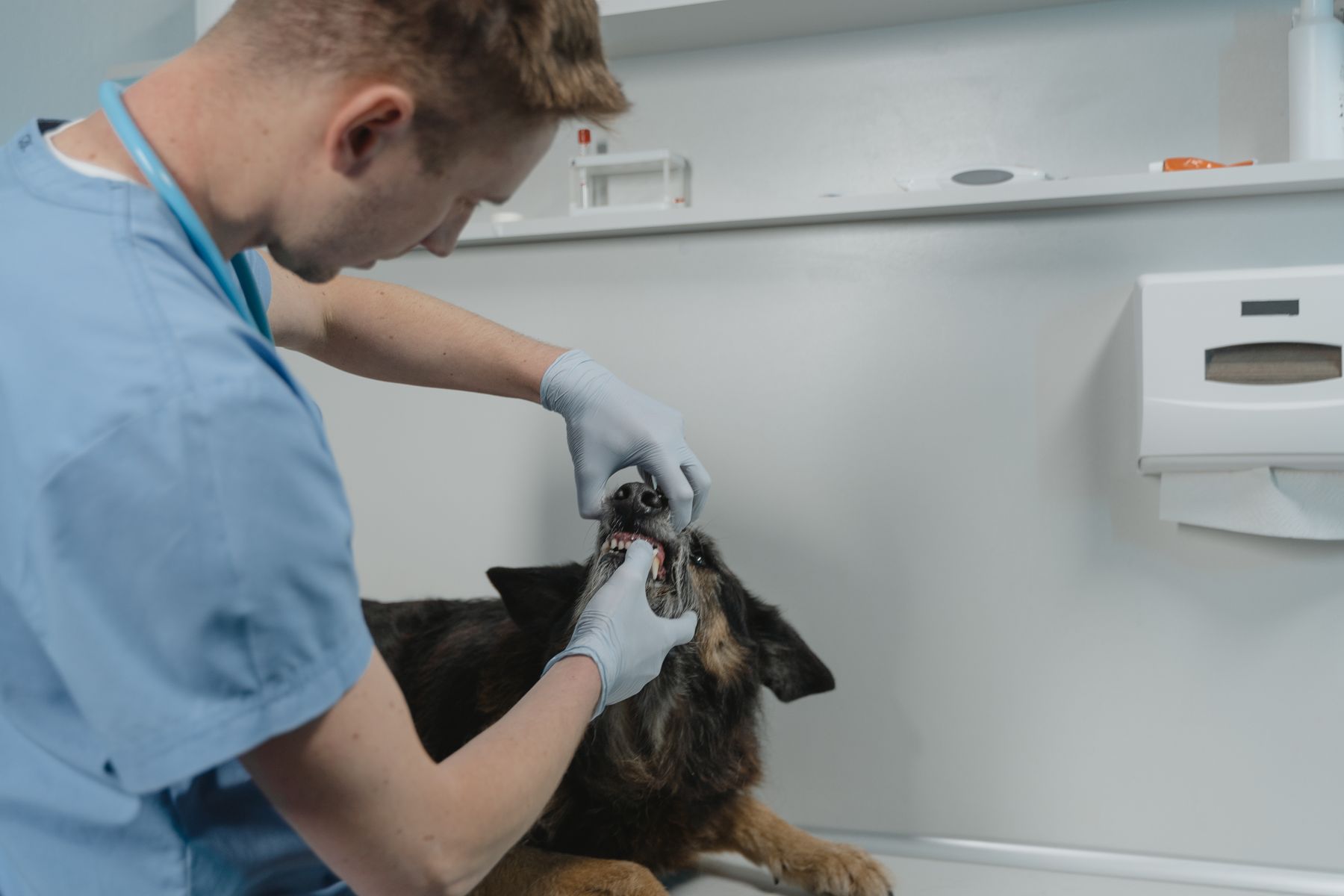
It can help to tell the clinic what changed before and after you used the product. Your dog might have been licking a paw for a day already, then started pulling away when you tried to look at it after the wipe. If you’re unsure about the order, give the times you remember, like after breakfast or after the evening walk. Ask whether they want the label photo, a photo of the spot, or for you to come in. If you have more than one bottle with witch hazel on the label, check which one you actually used before you send the photo. The bottle has done its job once it tells you and your vet what was in it. The next decision belongs with someone who can assess your dog and the area that’s bothering them.
Related stories


Samira Reed
Samira specializes in dog and cat supplements, food labels, and feeding products. Her focus is ingredient transparency, administration, and questions owners should take to their veterinarian. Her comparisons examine active ingredients and amounts per labeled serving, product formats, quality-testing claims, and ongoing costs. She distinguishes marketing promises from evidence for a specific formulation. Samira’s household includes her husband, their son, Maple, a beagle mix, and Cleo, a shorthair cat. She wants readers to understand what’s in the jar before adding it to the bowl.