
Before Buying a Dog Light, Find Its Place on the Harness

Expert verifiedSources and qualifications checked
Nora Bennett reviews clarity, structure and the writer’s voice. Adrian Cole reviews source support, qualifications and image attribution.
Reviewed November 9, 2026 for this version of the article.
Meet the Editor Voices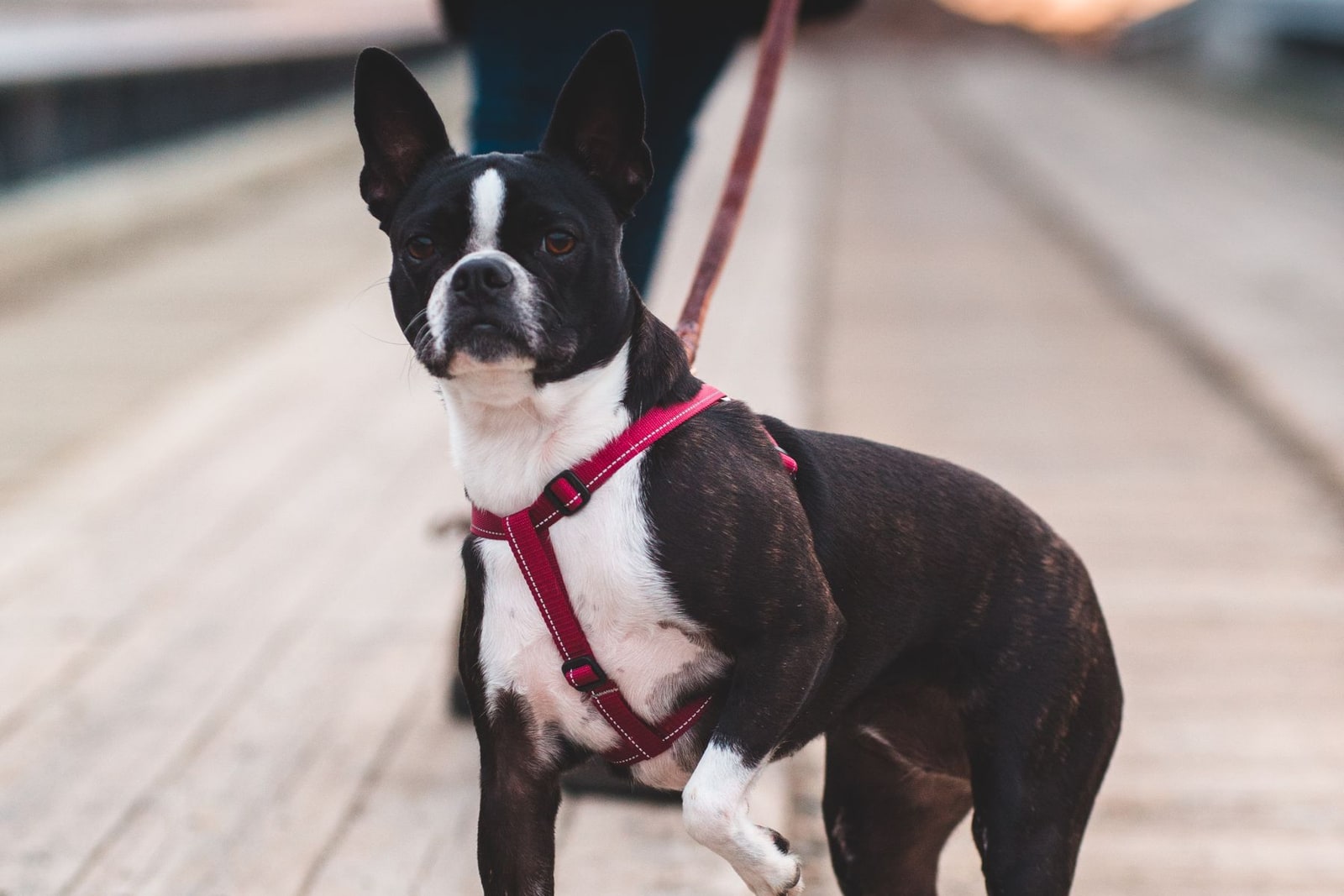
Start with the harness you have
Clip the leash to its proper attachment, then find the reflective trim on your dog’s harness. If you want a light on your dog through an unlit stretch, a compatible clip-on LED provides its own light. Carry a separate light if you need to see the ground ahead. Keep your current harness if its fit and attachments work for your setup.
Start with a harness that fits your dog according to its manufacturer’s fitting instructions. Keep that fit as the starting point when comparing gear. A light loop may change where you clip a lamp, but you still need to reach the harness buckles.
Match the light to your route
Reflective trim needs incoming light. Retroreflective material sends light back toward its source, a principle explained by the Federal Highway Administration. Its explanation supplies no dog-specific viewing distance or evidence that a harness prevents a crash.
On a lit sidewalk, check where the trim sits and what covers it. Street lighting alone gives you no measure of how clearly someone can see your dog. On an unlit path, a powered lamp adds a light source on the dog without needing incoming light to work.
For a mixed route, base the choice on the dark stretch you actually use. You can keep a well-fitting reflective harness and add a compatible lamp. The extra piece brings a charging task, so check whether you have a place to charge and store it between walks.
Find separate clips for the leash and lamp
Ruffwear lists reflective trim, a light loop for The Beacon, and front and back leash attachments on its Front Range harness. These are manufacturer specifications. The useful handling detail is the separate loop. It gives the lamp its own place while the leash uses a designated leash attachment.
Inspect your existing harness before replacing it for that feature. Check whether it has an intended light attachment, then check the lamp’s compatibility instructions. Keep the leash on the harness attachment made for it. If the lamp blocks a buckle or crowds the leash clip, check another manufacturer-supported position before buying.
Ruffwear describes The Beacon as a rechargeable clip-on LED. Check the charge before leaving, and follow the current instructions for charging and care. PetCritics has no measurements here of battery life, viewing range or performance on a moving dog.
Take about two minutes to check the setup
Check the leash attachment and any manufacturer-supported lamp position, then look for covered trim or a blocked light. Take longer if needed. Put on the harness and any coat your dog will wear. Keep control of your dog while you locate the trim and lamp. Ask another adult to help if needed. Look for fur lying over them, a coat edge hiding them, or a strap turning the lamp inward. Check whether you can still reach the switch and buckle.
Turn the lamp on in a secure place before the walk. Look from the front, each side and behind while keeping control of your dog. Let your dog turn, then check the placement again. Adjust only as the gear instructions allow. This check can reveal covered gear or an awkward clip. It establishes no viewing distance.
Put the gear away for the next walk
Afterward, follow the separate care instructions for the harness and lamp. Check them before washing either item. Set aside a place for drying and charging so the next walk starts with usable gear.
Keep your harness when its fit and attachments do the job. Add a compatible light when you need a light source on the dog through an unlit section and can manage the charging. A separate light loop earns extra cost when it solves a placement problem on your dog’s current setup.
Related stories


Lena Ortiz
Lena covers the gear dogs use every day: harnesses, leashes, beds, bowls, and the supplies that collect by the front door. Her comparisons focus on fit, adjustment, cleaning, and value across different dog sizes. She looks closely at which features make a busy routine easier and which simply add bulk or expense.