
How to Check a Pet Food Recall Lot Number

Expert verifiedSources and qualifications checked
Nora Bennett reviews clarity, structure and the writer’s voice. Adrian Cole reviews source support, qualifications and image attribution.
Reviewed November 12, 2026 for this version of the article.
Meet the Editor Voices
Open the notice and get the package
Set the bag or can beside your phone. Open the full notice and check its date and any updates. Look for the section that names the affected products. A screenshot can point you toward the notice, but it may leave out the package codes or a later update. Start with the FDA’s animal recall list and follow its link to the Enforcement Report if you don’t find the notice there. You can also look on the maker’s website for its full notice.
If the notice has an update, read it through to the list of affected products. Check what changed before you match the package. Keep the update open while you check the label, so you can go straight from the line in the notice to the code in your hand. If there is a photo in the notice, use it to find the right part of the label. A photo of the front of a bag can show you the right flavor, but you still need the written details to check which packages are affected.
Look for a product table or a heading that tells you how to identify the affected items. In the July 2026 Pedigree example, the maker put the recipe, the 13.2-ounce can and the two lot codes under its affected-products heading. The FDA’s copy of the Pedigree notice lists the same details and shows the bottom of a can. Once you’ve compared the code there, look for the directions for buyers, including who to contact with a match.
Read the lot code next to the date
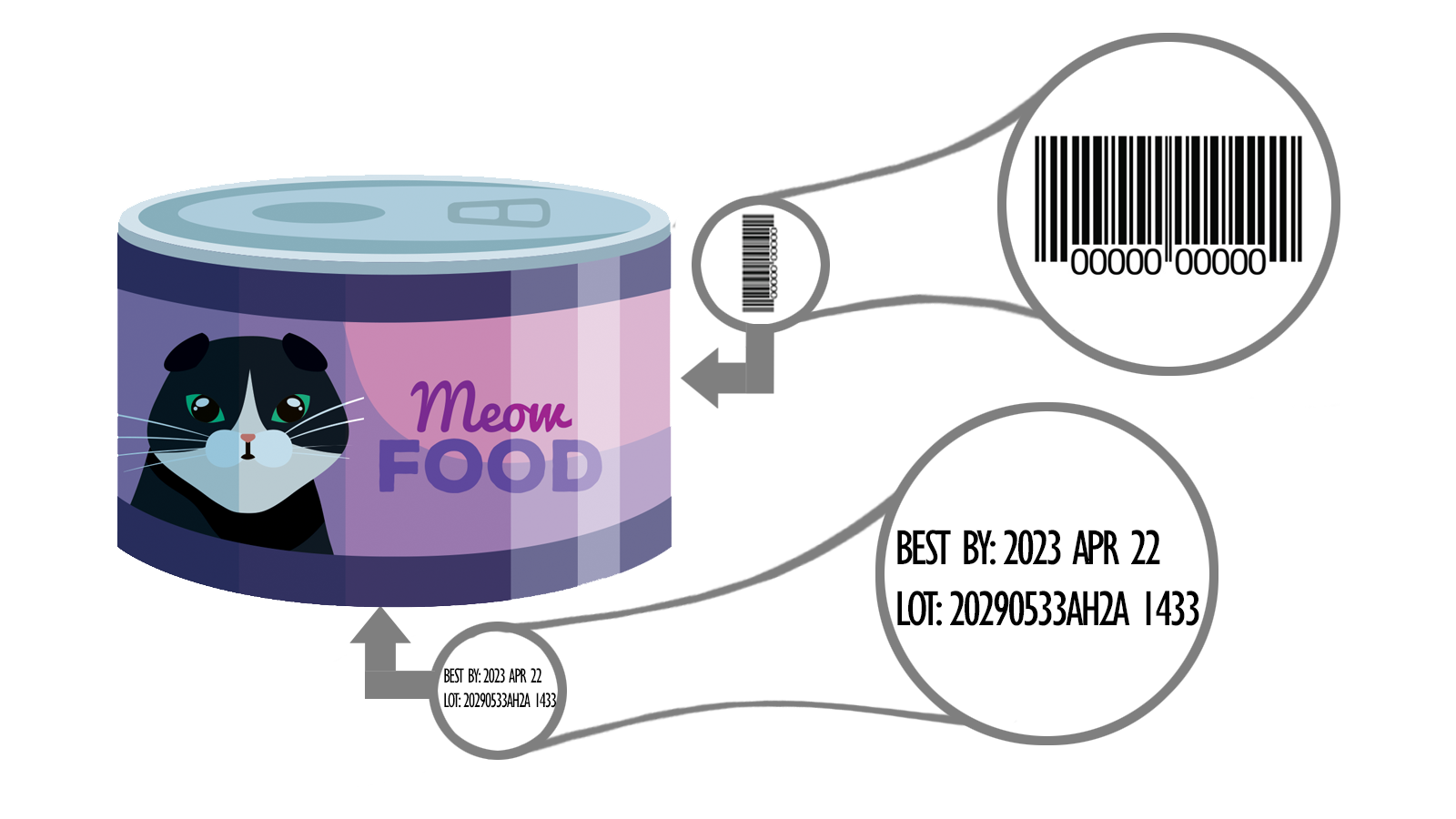
Turn the package over. On a bag, start with the seam, the bottom and the area around the best-by date. On a can, try the base first, then look at the lid. On a pouch, check the back and the lower and side seams. If those are blank, check near the top of the pouch and around the date. Makers put the stamp in different spots, so check the front, too. Take one photo that shows the whole stamp and date and another of the front label.
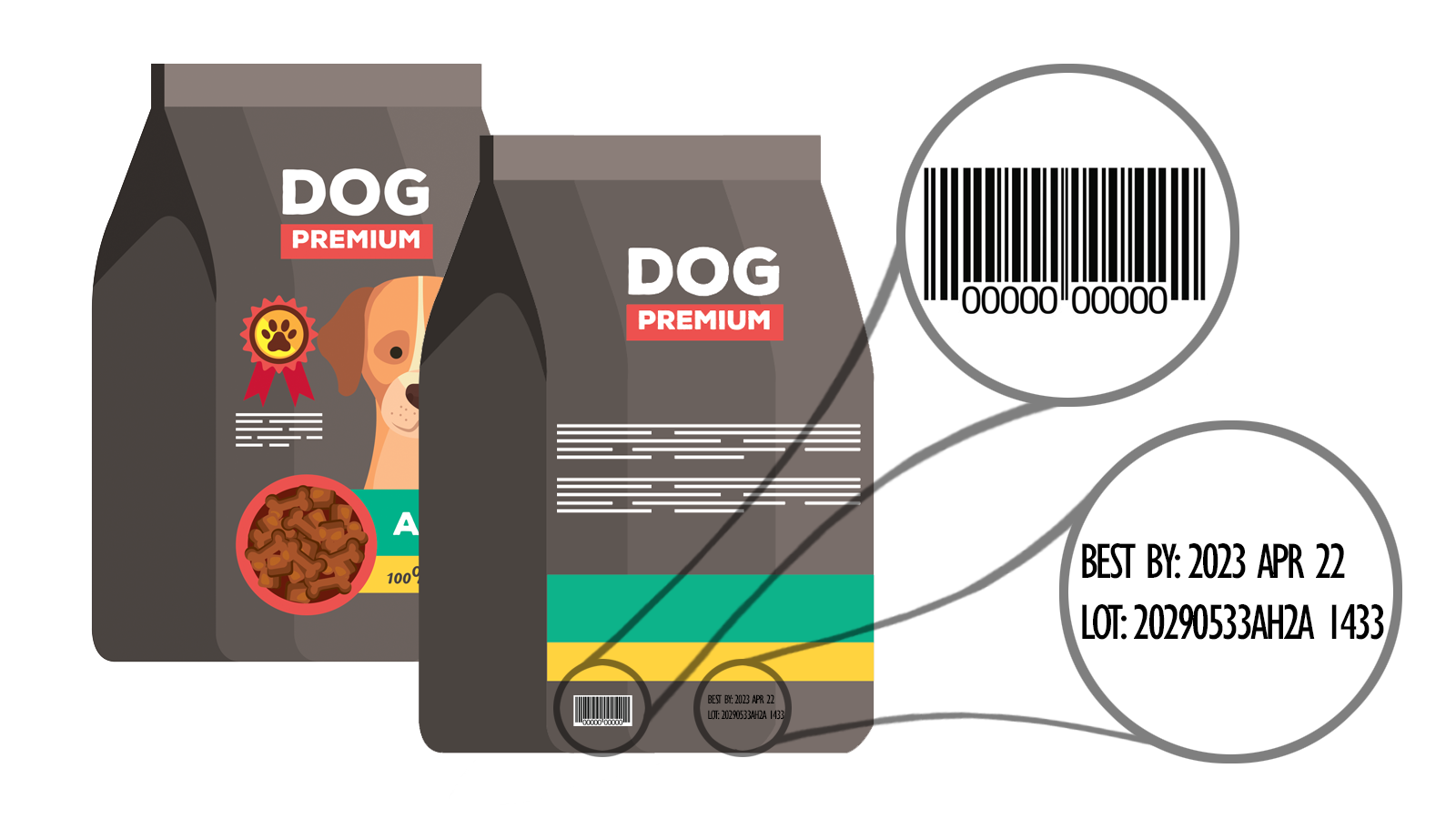
Look for a string of letters and numbers close to the date. Copy the whole line, including any letters at the end, and keep leading zeroes. If the package shows a best-by date and a second date inside the packing code, write down both as printed. A packing date can tell you when the food was made. Use the notice to tell you which date it wants you to compare.
Match the full product name and package size. Then check the lot code, best-by date or UPC, whichever the recall notice lists. Take two fictional codes, AB124 and AB142. They are different lots even if the bags look alike. If the notice names stores or states, check where the package was sold and use those details alongside the codes.
The barcode and the lot code answer different questions. The numbers under the bars identify the product you buy. The lot code tells the maker which batch it came from. Two bags of the same recipe and weight can have the same barcode and different lot codes. If the notice gives both, use the barcode to find the right product row, then use the lot code and any date the row asks for to check your bag.
Read across one row at a time if the notice lists several package sizes or flavors. Say the recall lists a four-pound bag from lot AB124, and the bag in your hand is an eight-pound bag. Finding AB124 somewhere in the notice does not settle it. Look for the entry for your exact recipe and bag size, then compare the fields in that entry. If the notice covers every lot of that item, follow that instruction. You can stop searching for a batch code that the notice doesn’t ask for.
If you bought a case or have two bags in the cupboard, check each package you plan to use. Keep an outer carton if it has a code, and compare the can or pouch if the notice shows where to look on each unit. A fresh bag of the same recipe in the same cupboard deserves its own check. Mark the packages you’ve checked on a scrap of paper if you’re working through several. It saves you having to remember which can you turned over first.
Check an unreadable code with the company
A rubbed-off or partial code leaves the lot unconfirmed. Save the package or any label photos and use the contact details in the recall notice. If the bag went out with the recycling, gather what you still have, including the product name, package size and where and when you bought it. The company can tell you what it needs to check.
Try a lamp before you give up on a faint stamp. Turn the bag until light falls across the print, take a photo, and zoom in on the original image. If you still can’t tell a zero from the letter O, write down both possibilities when you contact the company. Send the uncropped photo, too. The date and the part of the package where you found the stamp give the person answering your message more to work with than a string of guesses.
A receipt, order email or photo can help identify what you bought and when. Check it for the exact name and weight before you call. If you poured the food into a bin and can’t confirm the lot, tell the company that. Say if there were leftovers from another bag in the bin. Set the food aside while you ask what to do, and keep it where pets can’t get to it.
Follow the instructions for a match
If the package matches, stop serving the food and follow the notice’s instructions for return or disposal. Keep the label photos. If your pet seems ill after eating the food, call your veterinarian. You can also report a pet food complaint to the FDA. Have the label name, lot, date, UPC, purchase information and your veterinarian’s details ready if available.
Check the notice before you take the package to the store or throw it away. It may tell you how to get a refund and what to do with the remaining food. If you have other people feeding your pet, tell them which food you set aside and where it is. A bag on the counter without a note looks a lot like dinner waiting to be served.
If you need to report a problem, note when you opened the package, how much your pet ate and when you first noticed anything unusual. Write those details down while you can still place them. A vet can tell you what to do about your pet’s symptoms. The FDA asks for label details and purchase information, so keep the packaging and receipt if you can. You can report a problem with the food even if your pet didn’t get sick.
When you open the next bag, put the whole bag in the storage bin if it fits. That keeps the label with the food and saves you looking through your phone later. If you take photos instead, check that you can read the lot and date before the bag goes out. The front label tells you which food it was. The stamp tells you which batch you fed.
Pet food recall FAQ
The best-by date matches. Does that settle it?
Check which fields the notice gives for that package. If it lists both a best-by date and a lot code, compare both before you decide. If the notice lists a range of dates or lots, check the full range. The same best-by date can appear on more than one package.
Does the code on a multipack apply to every pouch?
Use the location described in the notice. If it points to the carton, keep that carton handy. If it points to the individual pouch, turn over the pouch and check its own stamp. If the carton is gone or the codes are unclear, ask the maker which code it needs before serving the food.
Can I report a problem if I threw away the package?
Yes. Give the FDA the details you can confirm, such as the exact product name, where and when you bought it, and what you noticed. A receipt or an order email can help. Let the FDA know which details you’re missing. Save the package next time so the batch can be checked, too.
For readers checking older dog-food alerts, Pet Nugget’s dog food recall archive links to dated notices. Pet Nugget is our sister site.
Related stories
Lena Ortiz
Lena covers the gear dogs use every day: harnesses, leashes, beds, bowls, and the supplies that collect by the front door. Her comparisons focus on fit, adjustment, cleaning, and value across different dog sizes. She looks closely at which features make a busy routine easier and which simply add bulk or expense.