
Can an Online Vet Help Tonight? What a Virtual Visit Can Do

If your pet is struggling to breathe or has collapsed, go to the nearest emergency veterinary hospital. Call ahead if you can do it without delaying the trip. Cornell's emergency service lists both as signs that need immediate care. You don't need to finish that list, film what's happening or wait for someone in a chat to tell you to leave.
For other questions, start with the job you need done. Finding out where to take your pet, getting a refill and checking in with the vet who saw your pet last week are all different jobs. A chat button might help with the first one. The clinic that already has your pet's record may be a better place to start for the other two.
Start with your regular clinic's number
Call your regular clinic even if the lights are off. Its voicemail or website may name the hospital that covers after-hours calls. Save that number and the address it gives you. If you're away from home, look up a hospital near where you and your pet are now. The address in your account won't help you find the right door on a weekend trip.
If you aren't sure how urgent the change is, ask the clinic or hospital what it can advise by phone and where it would send you if your pet needs to be seen. Give the person who answers the most useful facts first: what changed, when you noticed it and whether it's still happening. If you already know your pet needs emergency care, go. A virtual wait time is one more thing to check when you have time to check it.
Figure out what the booking button buys
Some services offer a chat or phone call to help you figure out the next step. That's often called triage. The useful answer might be an address or a recommendation to get an exam. A video appointment with a veterinarian can be a different service, even when it sits one tab over on the same website. Whether the vet can assess and treat your pet remotely depends on the problem, the rules where your pet is and the kind of care the service offers.
A follow-up your own clinic suggests is an easy way to see the difference. Say the practice asked for an update after a visit. Ask whether the vet wants a message, a photo or a booked appointment. Find out whether the person on the call can see the chart. If you're using another service, ask whether you can get a written summary to send to your clinic. That saves you from having to reconstruct a conversation at the front desk the next morning.
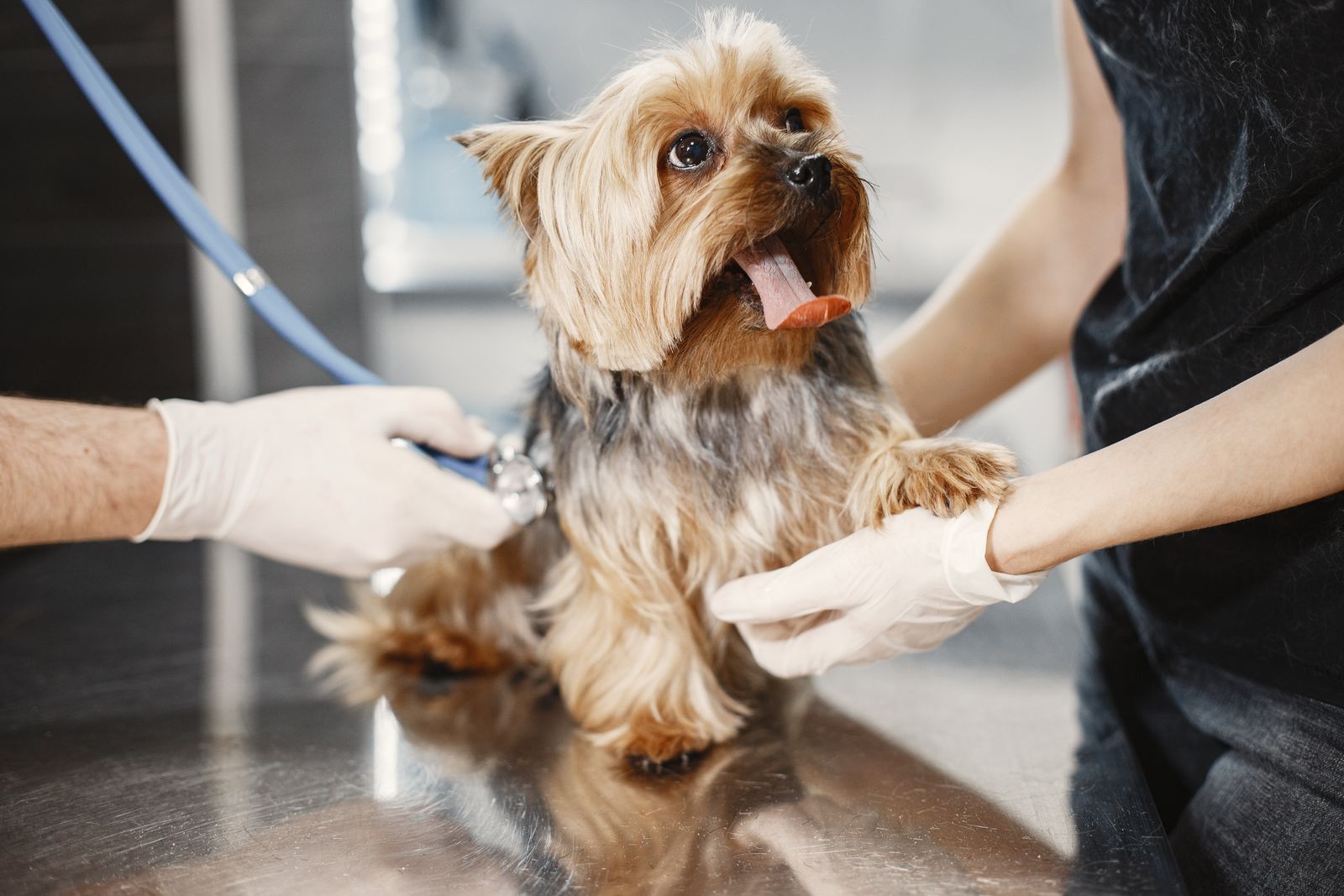
A video call gives the vet a view of what you can show. It doesn't give them a way to feel a sore spot or run a test. If the provider says the concern needs an exam, ask where to go and how soon. If you're still on the booking page, check what you would owe for a visit that ends with a referral. Look for the policy or ask the service directly rather than assuming the visit fee carries over to the clinic.
Check the price and where the service works
On November 13, 2026, Chewy Vet Care listed a video visit at $49.99 in select states. That price covers the visit. Any medication or other products the vet recommends are separate. Chewy also lists a free live chat with a veterinary technician. The chat has different hours and state coverage, and its technicians don't diagnose, prescribe or give treatment plans. The two services share a website. They have different jobs.
Before paying for any service, check whether the appointment covers the place where your pet is now, who will be on the call and what the fee includes. Check the next appointment time in your own time zone. Posted hours tell you when a service operates; the booking calendar tells you when someone can see you. A short wait won't make a video appointment useful if the service tells you upfront it can't handle the reason you're calling. If your pet is with someone else, check whether that person needs to join the call. The vet may need to see the pet on camera and hear directly from the person who noticed the change.
Ask about a refill before you book
If your pet is running low on a regular medicine, start with the clinic that prescribed it. Have the name on the label and the number of doses left when you call. Ask whether a refill is already on file or whether the clinic needs to see your pet again. If they can't help tonight, ask whom they want you to contact. An online appointment doesn't guarantee a prescription. If you are looking for pain relief while you wait, see Family & Pets’ guide to why you should call the vet before giving a pet pain medicine.
A vet may ask about the care relationship already in place. The FDA's guide to prescribing and telemedicine explains that certain uses, such as prescribing an approved drug for a use outside its label, require a relationship under federal rules that can't be established by video alone. State rules can also apply. For the caller, the practical question is whether this vet can help with this request in your location. If the service can't answer that before the visit, leave room in your plan for an in-person appointment.
Leave the call with a plan you can read back
If you go ahead with a virtual visit, put your regular vet's number, your pet's medicine list and a rough timeline where you can find them. If the clinic asks for a video, take one only if it's safe and won't delay care. Before you hang up, ask what to do next, when to do it and who to call if something changes. Write down the name and number of the clinic if they send you somewhere else.

If the video won't load, use the callback number the service gave you. If your regular clinic can answer the question by phone, you may not need another account at all. A virtual visit earns its place when it can handle the job you called about, or when it gets you to the right clinic with a clear next step.
Related stories




Theo Grant
Theo covers the electronics entering pet homes: automatic feeders, water fountains, cameras, and connected accessories. His specialty is comparing the whole ownership experience, including setup, cleaning, replacement parts, subscriptions, and what happens when the connection drops. He pays close attention to which advertised features require a paid plan. His household includes his partner, Scout, a rescue dog, and Pixel, a shorthair cat. The question running through his coverage is straightforward: does the technology remove a chore, or give the owner another device to manage?