
Hire a Holiday Dog Walker Who Can Do Your Dog’s Walk

Expert verifiedSources and qualifications checked
Nora Bennett reviews clarity, structure and the writer’s voice. Adrian Cole reviews source support, qualifications and image attribution.
Reviewed November 13, 2026 for this version of the article.
Meet the Editor Voices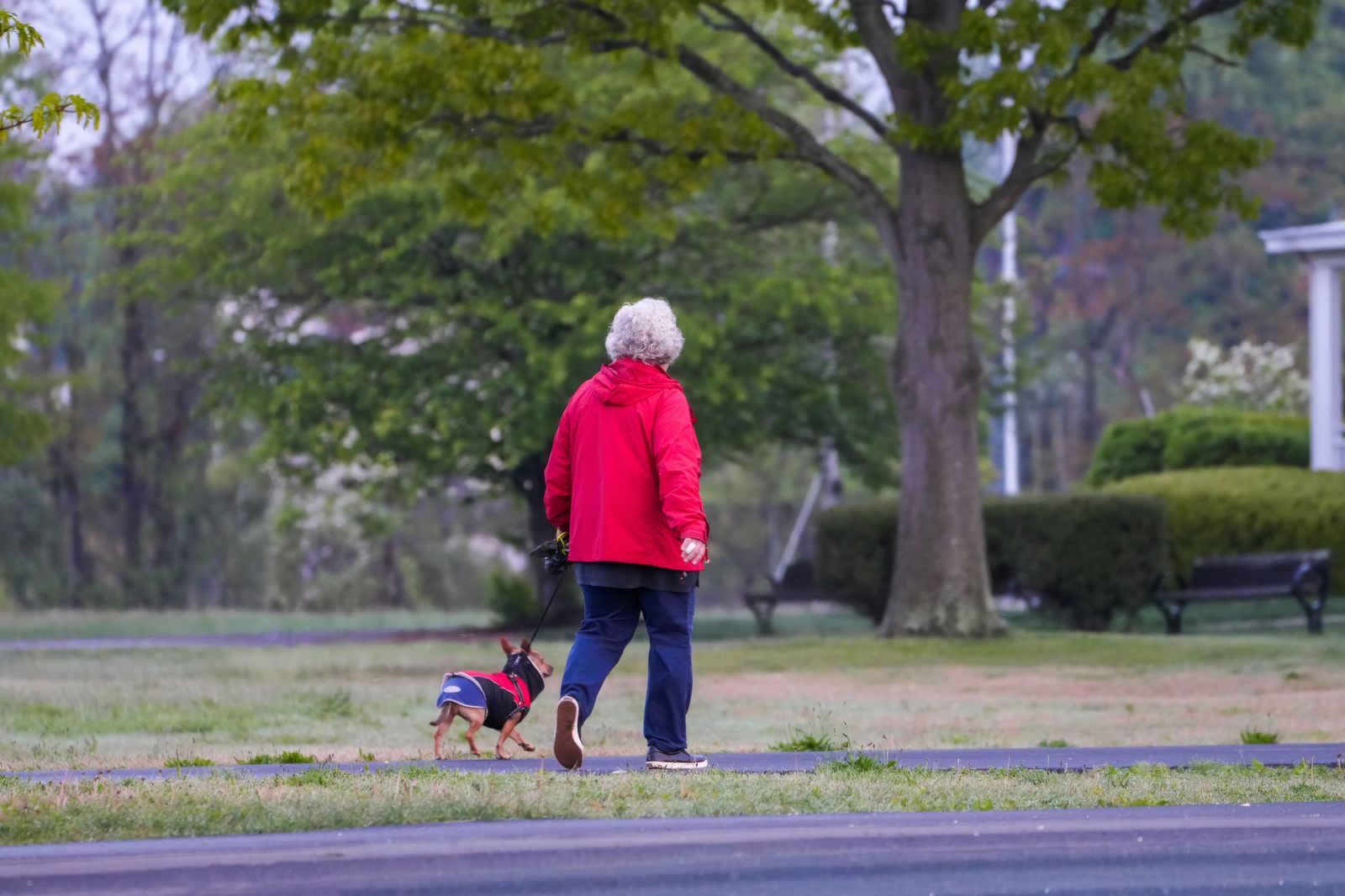
A holiday dog walk starts at your front door. Someone has to find the right leash, clip it where you do and get your dog past the neighbor's gate without losing a grip on either. A profile with good reviews can help you find a person to call. The meet-and-greet is where you find out if that person can do your dog's walk.
Start with the dates and the time your dog usually needs to go out. A midday walk can cover a long shift or an afternoon away. If you're leaving overnight, work out who covers meals, evening outings and the next morning before you count the afternoon walk as care for the whole day. Our comparison of in-home sitting and boarding can help you think through that longer stay.
Ask who will show up
Give the walker the exact dates, including any weekend or holiday, and ask for the arrival window for each visit. If an app says noon, find out whether it means a noon start or a visit any time between, say, 11 and 1. If you need the earlier end of that range, tell the walker while they're still deciding whether the job fits their route.
Then ask who will take the leash. If you're hiring through a business, the person who answers your questions might handle bookings for several walkers. MSPCA-Angell's guide to finding a dog walker recommends meeting the person who will actually walk your dog and checking references. Ask for a reference from someone whose dog has a similar routine. The most useful question may be how the walker handled a day that went off schedule.
Try the first few minutes together
Meet before your travel day. Use the leash or harness you normally reach for and show the walker how it goes on at home. If the walker plans to bring different gear, ask to see it during the trial. Take a minute in the hallway to agree on which gear they will use when you are away, and put it back in the same spot before they leave. Point out where you clip the leash and what you do before opening the door. If your dog gets excited when they hear the latch, show the walker how you set up inside. You want a handoff both people can repeat on the next visit.
Take a short walk together and let the walker ask about the stretch you know best. Point out the driveway where a dog barks behind a fence or the corner you skip when the school lets out. Show them where your dog usually takes a bathroom break. If the walker has a preferred route, ask what changes for your dog on that route. A trial walk close to home tells you more about that question than a longer walk in a quiet park.
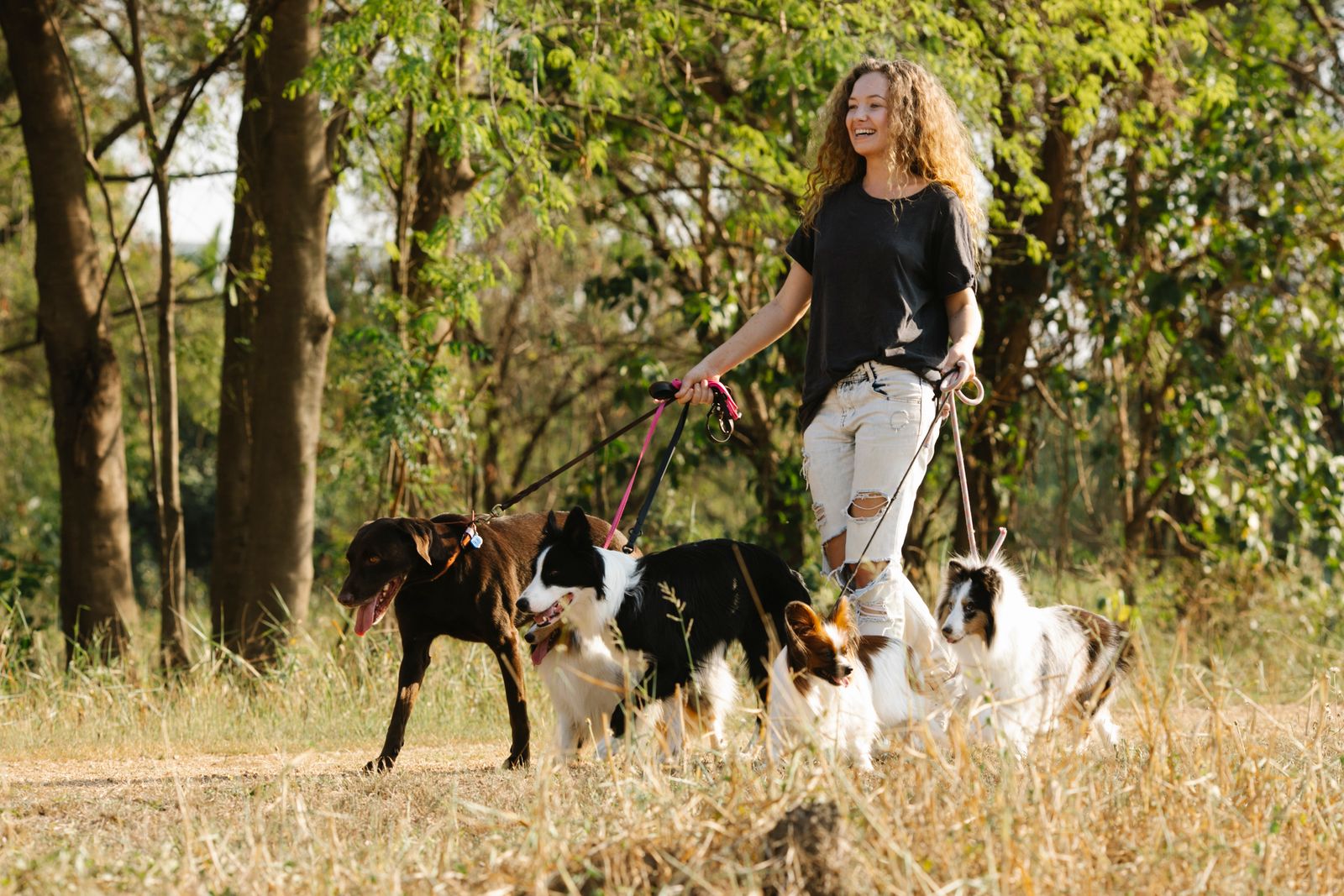
Ask whether your dog will go out alone, with another dog or with a group. If the walker has other dogs on the route, find out how many go out together, how they are introduced and whether any part of the visit includes a car ride. If you want a solo walk, ask for it by name and include it in the booking. Do the same if you want the dog kept on leash for the full visit.
Leave a note the walker can use at the door
Keep the note short enough to read with one hand on the leash. Start with the door to use, where the gear hangs and which clip to use. Include the route or turn you talked through, whether greetings with other dogs are allowed and where to leave your dog when the visit ends. If you have two dogs who go out separately, say who goes first and where the other dog waits.
Walk through entry and exit once. If someone at the building needs to let the walker in, check when that person is there during the holiday. Decide who can use the access instructions and how you want a physical key returned. Save contact numbers where the walker can find them, including the number of a person nearby who has agreed to help. A name in a note won't help much if that person is visiting family three hours away.
Decide what happens when a walk falls through
Ask about two different changes. If the usual walker gets sick, who takes the visit, and will you and your dog meet them ahead of time? If the weather makes the planned route a poor choice, what visit can they still offer, and when will they call you to agree on it? Pet Sitters International's professional standards call for a written backup and communication plan. Ask the walker to describe theirs in terms of your dates and your dog.
Choose a time to check in if you haven't heard anything. That might be the end of the agreed arrival window, with the walker as your first call and the backup as the next one. Ask for a short note when the visit ends. You might want to know when the walker arrived, whether your dog went out and anything that changed. Agree on which events need a call right away, like trouble getting into the house or a dog who slips the leash. That way everyone knows when a message can wait and when it can't.
Put the price and visit details in writing
Compare quotes for the same visit. Ask how much of the time is outside, whether wiping muddy paws or settling the dog back inside is included, and what happens to the price on a holiday. Get the cancellation deadline and any extra charges before you pay. Ask to see proof of current insurance that applies to dog walking and ask the provider who to contact with coverage questions. A listing or a badge can't tell you what applies to a specific visit.
Before you leave, read the booking back as if you were the person coming to the house. You should be able to find the walker's name, time window, gear and route, backup contact and how you'll hear that the visit is done. If there's still a blank where the backup's name should be, that's the next conversation to have.
Related stories
Lena Ortiz
Lena covers the gear dogs use every day: harnesses, leashes, beds, bowls, and the supplies that collect by the front door. Her comparisons focus on fit, adjustment, cleaning, and value across different dog sizes. She looks closely at which features make a busy routine easier and which simply add bulk or expense.