
Before You Repeat a Dog Population Number, Check What It Counted

Expert verifiedSources and qualifications checked
Nora Bennett reviews clarity, structure and the writer’s voice. Adrian Cole reviews source support, qualifications and image attribution.
Reviewed November 17, 2026 for this version of the article.
Meet the Editor Voices
Check what a dog population number counted before you repeat it. A 2019 systematic review cites an estimate of about 700 million dogs worldwide. That gives you an idea of the scale. A street survey starts with a different question: how many dogs can observers see along a route?
Why is there no worldwide dog census?
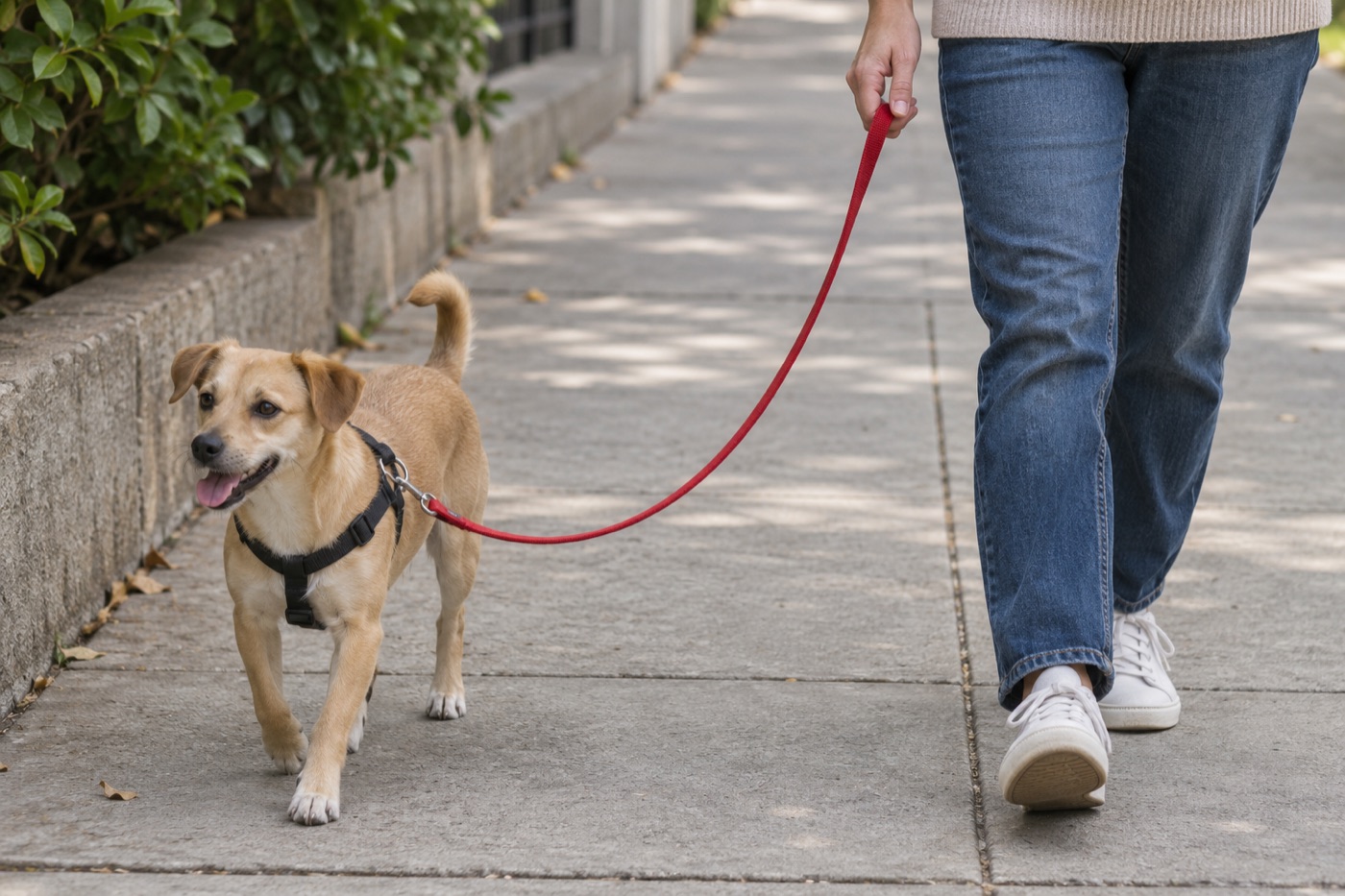
Nobody counts every dog on Earth. A census would need a way to find each animal, and dogs live in very different settings. Some sleep in a bedroom. Some live in a yard. Some spend their days on the street and return home at night. Others have no home at all.
So worldwide figures are estimates, and they pass from paper to paper. The 2019 systematic review cites about 700 million. A 2017 street study cites an estimate above 700 million. A 2022 modeling study in Scientific Reports cites a background range of 700 million to one billion owned and unowned dogs. Its own model did not produce that range.
Treat the top of that range as a citation, not a new count. When you see a world total, ask who produced it, in what year, and whether it came from fresh fieldwork or from an earlier paper.
Where does an owned roaming dog go in a household count?
Owned and free-roaming are not opposites. The 2019 review's authors describe how ownership and free-ranging status overlap. A dog can belong to a household and still spend part of the day loose outside, so both words can be true at once.
Suppose a survey asks households about pets kept at home. A dog that is out on the road for hours may not fit the question, so it may be left off the form. Suppose a street survey counts loose dogs instead. That same dog is now counted, yet a sighting does not show who, if anyone, owns it. So one method can miss the dog, and the other cannot tell whether it has a home.
The 2017 street study cites research from Guatemala, Tanzania and Chile in which owners reported that some of their dogs went outdoors unconfined. The authors also note that estimates based on an owner's knowledge have limits. A person at home might know when they open the gate and have less idea where the dog goes after it leaves.
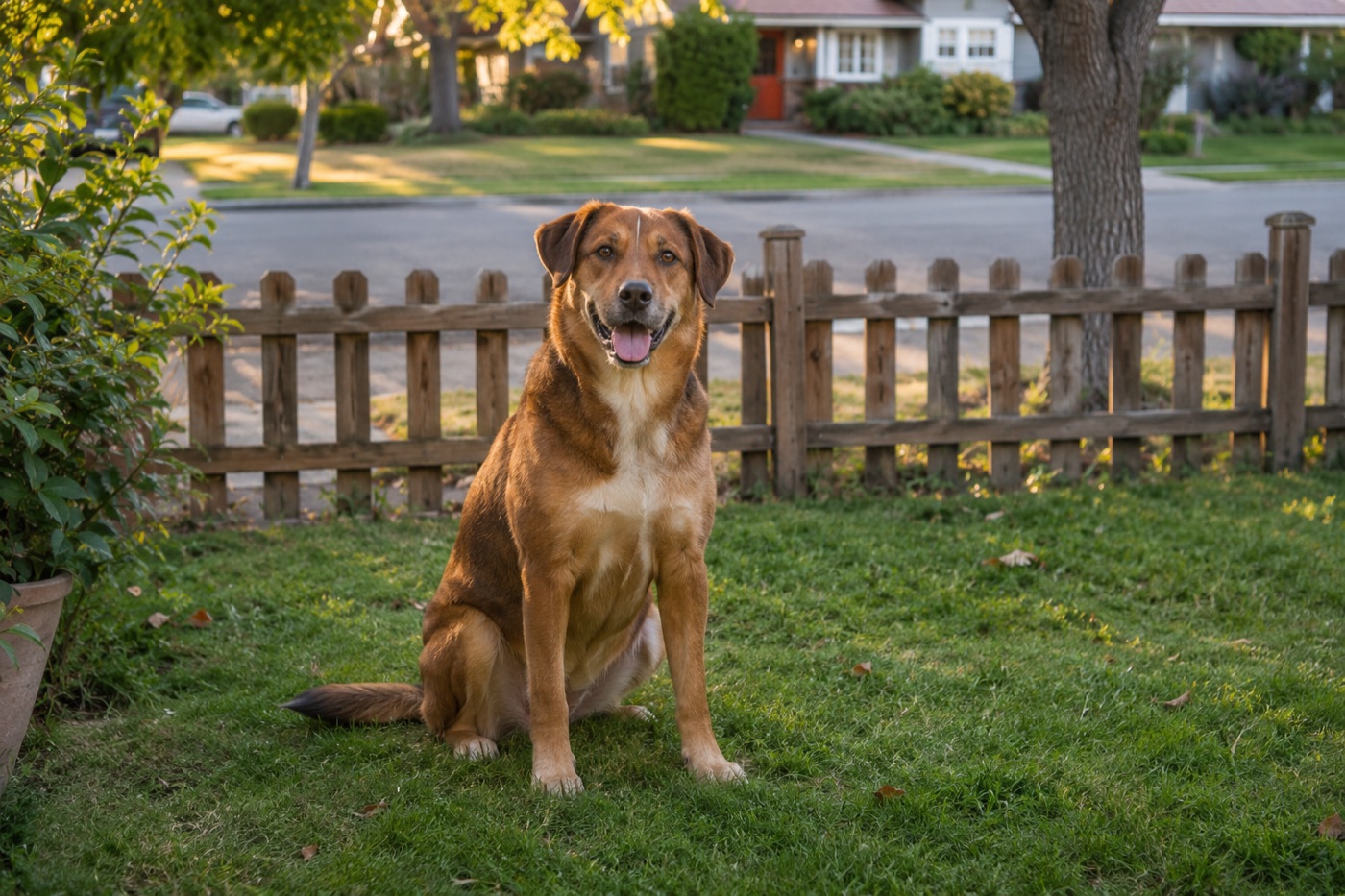
Imagine two questions on a form. One asks how many dogs belong to the family. The other asks how many dogs stay inside its gate all day. If the family keeps two dogs and one goes out alone, their answers could be two and one. Here the wording changes which dog fits the question.
What does a street survey actually measure?
A 2017 empirical paper gives a clear example. Its fieldwork measured dogs observed per kilometer of street surveyed, which is a local rate of loose, visible dogs along particular routes. It is not a new global estimate, it is not an exact tally of every roaming dog, and a sighting does not show that a dog has no owner. It tells you how many loose and visible dogs an observer met on that stretch.
The authors separate that measure from population abundance, meaning the total number of roaming dogs in an area. The difference matters. A dog that is indoors, fenced in, or off the route never enters the count. Route, time, and location all shape the result. A busy road at dawn and a quiet lane at noon can give different numbers for the same neighborhood.
The same paper notes that owned dogs can roam. So a loose dog on the street is not proof of a stray. Read a sightings rate as a snapshot of visible dogs on a chosen route, and nothing wider.
Imagine a volunteer who counts the loose dogs they can see from the sidewalk along a 2-kilometer road, starting at 7 a.m. on a Tuesday, and writes down 14. That number only means something with the route length, the hour, and the neighborhood attached. With those notes, someone else could count the same stretch at the same time and compare.
Why do two estimates count different dogs?
Estimates can differ before any counting starts. One may include only owned dogs. Another may include owned and unowned dogs across settings, as the 2022 background range does. A third may record dogs seen on streets, as the 2017 survey did. These are different groups, so their totals are not rivals. They answer different questions.
The 2017 street study calls for repeat surveys at the same time of day and in the same season. Unusual days such as a holiday can change which dogs are visible. Picture a dog that spends the morning indoors and goes out in the afternoon. An early count could miss it.
The 2019 review points out that different methods made the effects of dog management programs hard to compare. A similar problem comes up when you compare headcounts. A wider route or a different set of homes could change the number you get even if the number of dogs in the neighborhood stayed the same.
Which number fits your question?
Use a global estimate for scale. About 700 million is the overall figure the 2019 review cites. If a number is labeled owned, unowned or all dogs, check which of those it covers before you repeat it.
If you want to know how many dogs people keep, check that the number counts individually reported dogs. For example, imagine a street with two families that keep dogs. One has a single dog and the other has three. That would be four dogs in two homes, which is different from a count of homes that have dogs.
If you want to know about roaming, you need a count of dogs that roam. That means observing streets, as the 2017 authors did, or asking owners whether their dogs go out, or both. Neither one gives you a worldwide total. Each one gives you a piece of the picture, and each piece comes with a route, a time, or a group of respondents attached.
How do you read the next dog number?
A figure with no year or author is hard to place. It also helps to know which group the number covers, whether owned dogs, unowned dogs, or both, and whether it counts pets, roaming dogs, or all dogs. The method matters too, since a sightings rate per kilometer, a household answer, and a model output are different things.
Keep one more point in mind. An owned dog can roam, so loose does not mean unowned, and owned does not mean confined. A good source keeps those ideas apart. If a number treats them as one, hold it loosely.
How many dogs are in the world? A 2022 study cites a range of 700 million to one billion, and a 2019 review uses about 700 million. Those figures give you an idea of the scale. When you see a local tally of dogs on the street, look for the route and the time observers went out.
Related stories


Lena Ortiz
Lena covers the gear dogs use every day: harnesses, leashes, beds, bowls, and the supplies that collect by the front door. Her comparisons focus on fit, adjustment, cleaning, and value across different dog sizes. She looks closely at which features make a busy routine easier and which simply add bulk or expense.