
White Dog Names for Every Kind of Coat and Personality

Expert verifiedSources and qualifications checked
Nora Bennett reviews clarity, structure and the writer’s voice. Adrian Cole reviews source support, qualifications and image attribution.
Reviewed November 16, 2026 for this version of the article.
Meet the Editor Voices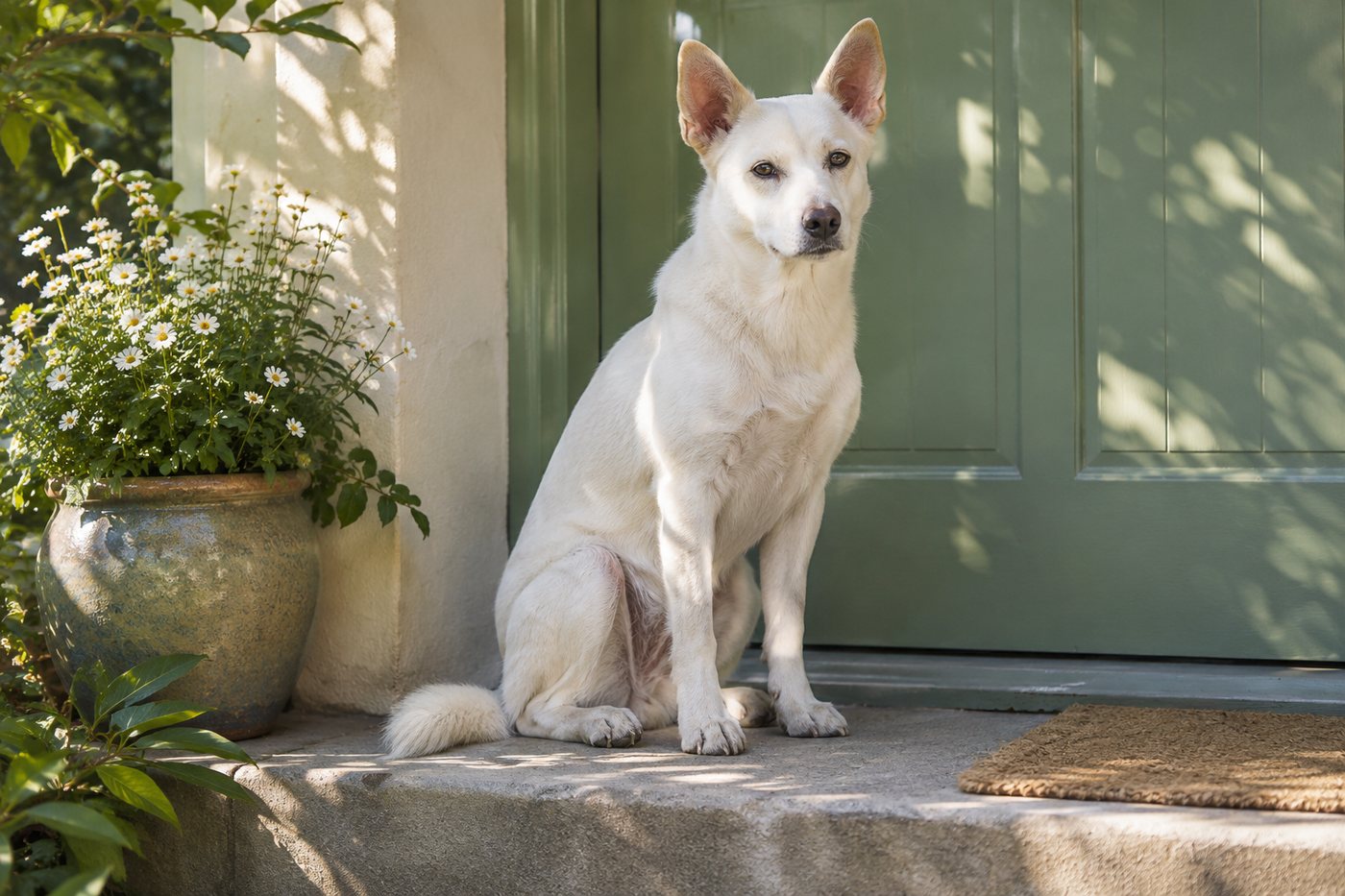
Pick three names, not one, and say each aloud at your own back door. A white dog gives you plenty of coat words to borrow, but the best name is the one your household can call without thinking. Try one name inspired by the coat and another that reminds you of what the dog does when you come home.
Starting with a call name
The AKC draws a line between a call name and a registered name, and that line is useful here. The call name is the word you say every day, so keep it short enough for one breath.
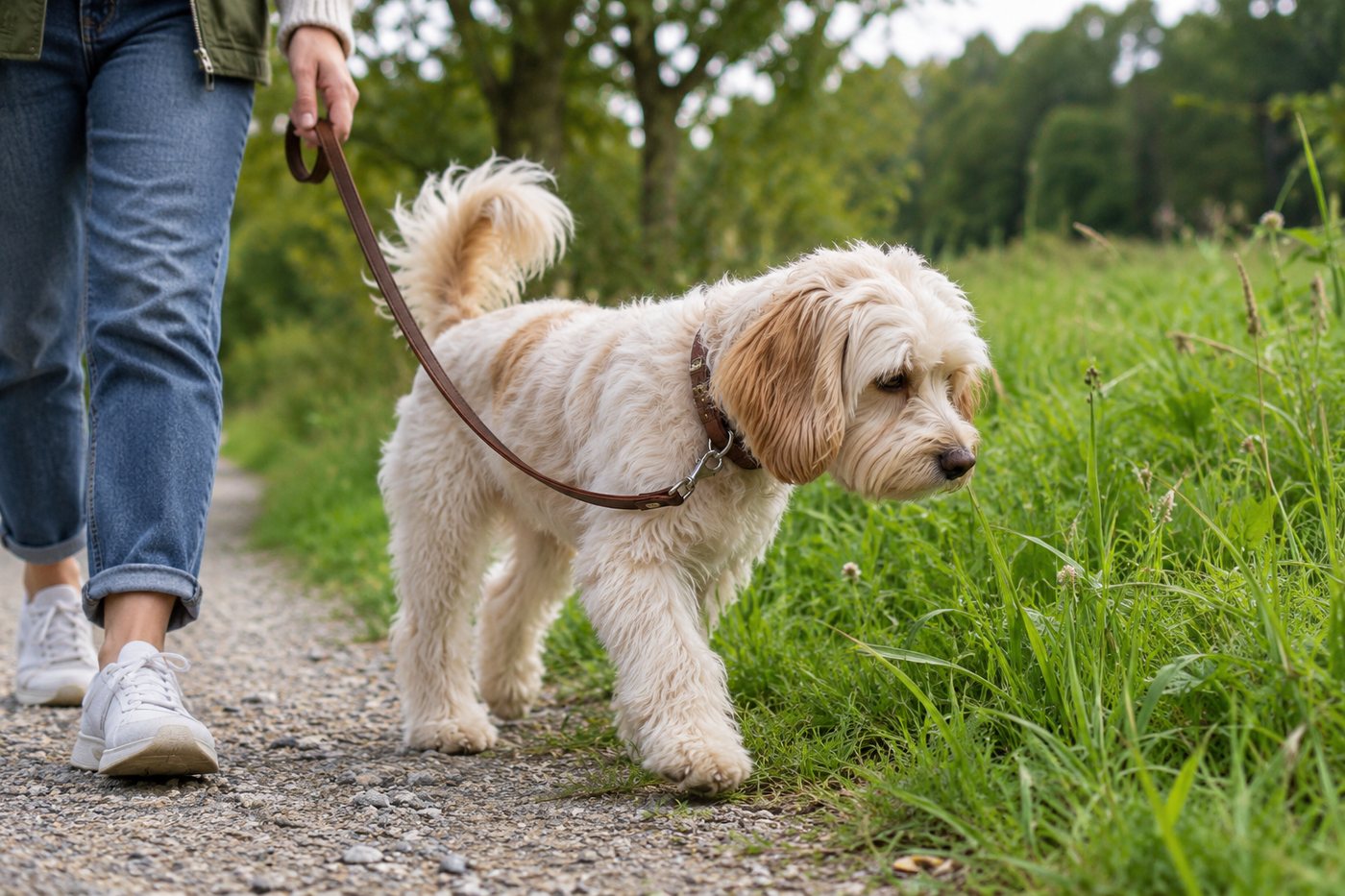
If you plan to register your dog, keep the long form separate. A formal name such as Alabaster Snowdrop of Maple Lane can sit on paperwork while a short call name does the daily work.
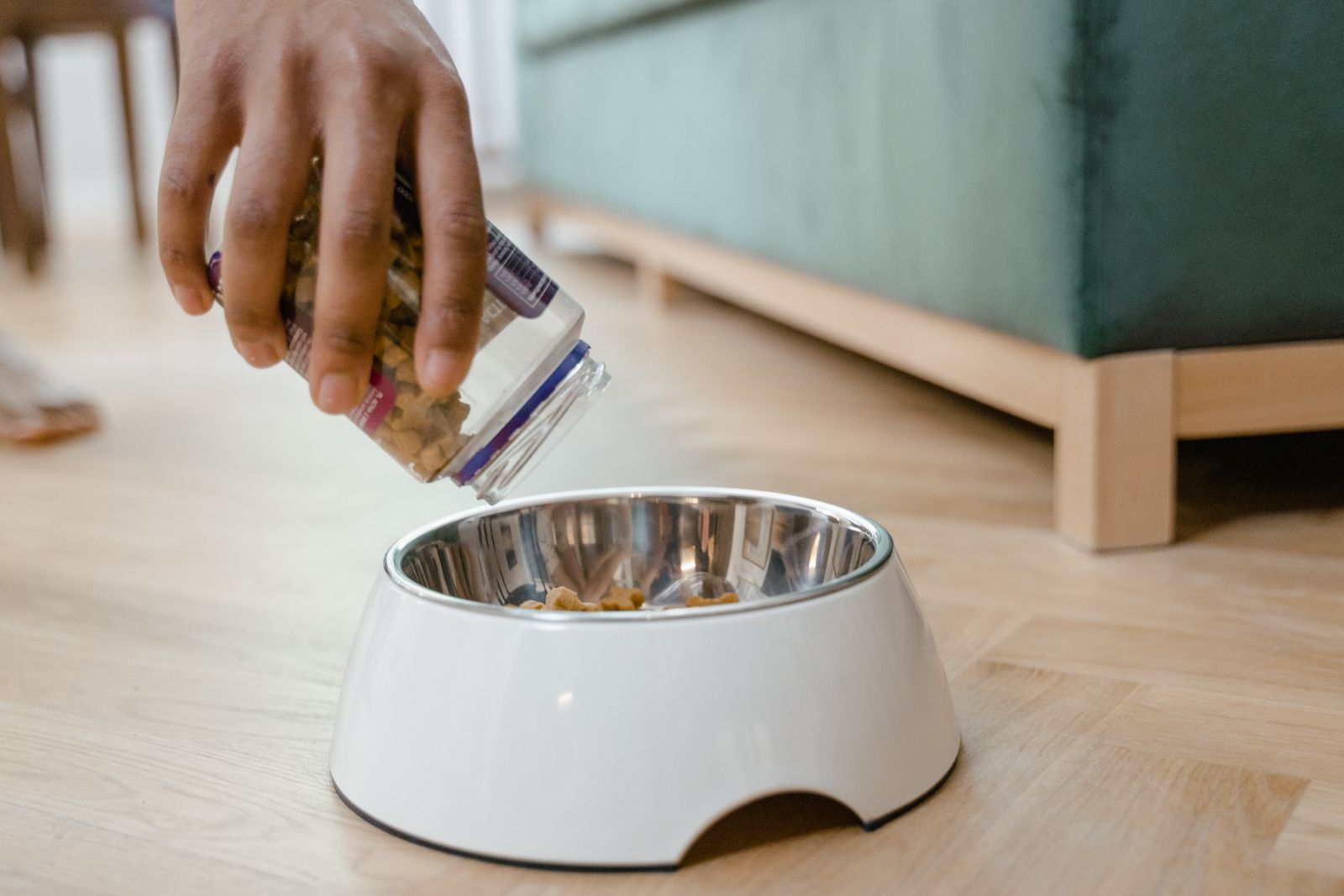
The AKC also gives advice on pronunciation and on avoiding names that sound like cues your dog already hears. Work down to a few names that sound good to the people who use them. Give the water bowl test a try. Think how you would say the name while carrying a full bowl and trying to keep your shoes dry.
Naming white, cream, and patched coats
For a bright white coat, reach for crisp words. Try Snowdrop, Chalk, Pearl, Alabaster, Casper, Frost, Milk, Blizzard, or Daisy. Chalk and Pearl each take one beat, which helps when you call across a yard. Alabaster looks lovely on paper but is long to call, so decide now whether the household will shorten it to Ally.
Cream and off-white coats suit warmer words. Consider Biscuit, Oat, Latte, Butter, Custard, Meringue, Ivory, Marzipan, or Honeycomb. Oat and Butter are quick to say. Honeycomb runs to three syllables, so find out whether people will drop it to Honey in daily use, and whether you like Honey as much.
Patched dogs call for names about the pattern. Think of Domino, Patch, Pinto, Dot, Oreo, Puzzle, Mosaic, or Spot. Domino and Dot describe the markings in a way a sitter or neighbor will understand right away. Patch is the obvious pick, and an easy one, so ask yourself whether you like it or only recognize it.
A dog with a mostly white coat and one dark ear or eye patch has a built-in nickname. Bandit, Pirate, Inkwell, and Cocoa all work, and each names the dark spot rather than the white around it. Choose the one you would still say with a straight face at the vet's front desk.
Coat names have one quirk. They describe the dog today, and a name like Snowdrop will still be the name after a muddy walk. If that mismatch bothers you, lean toward a texture or pattern word such as Linen or Mosaic instead.
Choosing names for calm and watchful dogs
Personality names ask what the dog is like inside the house, not what color it is. For a calm, soft-footed dog, try Willow, Moss, Linen, Sage, Juniper, Hush, Pebble, Wren, or Teddy. Most of these start and end softly, so they sound relaxed in a normal indoor voice.
A dog that follows you from room to room suits Shadow, Echo, Clover, Mabel, or Sidekick. Shadow on a white dog is a dry joke, so decide whether it will still be funny on the hundredth use. If not, choose Clover or Mabel instead.
For a quiet or sensitive dog, choose a name that still sounds like a name at low volume. Try Olive, Lulu, Nilo, or Ember. Say each in a low, even voice and notice whether the sound holds up without projection.
Choosing names for busy, bold, or curious dogs
For a bouncy, loud, or mischievous dog, look for a hard first sound. Pepper, Tango, Zip, Kit, Jinx, Rocket, and Poppy all start with a clear burst, which makes them easy to say sharply across a yard. Say them in your real outdoor voice before you commit, because a name that is fun in the kitchen can feel awkward at a distance.
For a dramatic or stubborn dog, lean into the attitude. Duchess, Napoleon, Diva, Moose, Gus, Admiral, and Biscotti give a big personality a big name. Moose on a small white terrier is a good joke, and the dog is the one wearing the title.
For a curious dog that investigates everything, try Scout, Pip, Maple, Rumble, or Fig. Pip and Fig are short, clean sounds that stay easy to say when your attention is on a leash, a bag, and a gate.
For a food-loving dog, kitchen words are tempting. Waffle, Nacho, Pickle, Noodle, Dumpling, and Cashew all read as friendly. Check your kitchen habits first. If the word comes up in every dinner conversation, you will be saying it constantly without meaning to call anyone.
Testing each name out loud
Take a shortlist of six to eight names and say each one where you actually use it. Stand at the back door and call it in your outdoor voice. Say it in the hallway at normal volume. Say it quietly on the sofa. Say it while you hold a leash and a bag, because your hands will be busy and your words will be rushed.
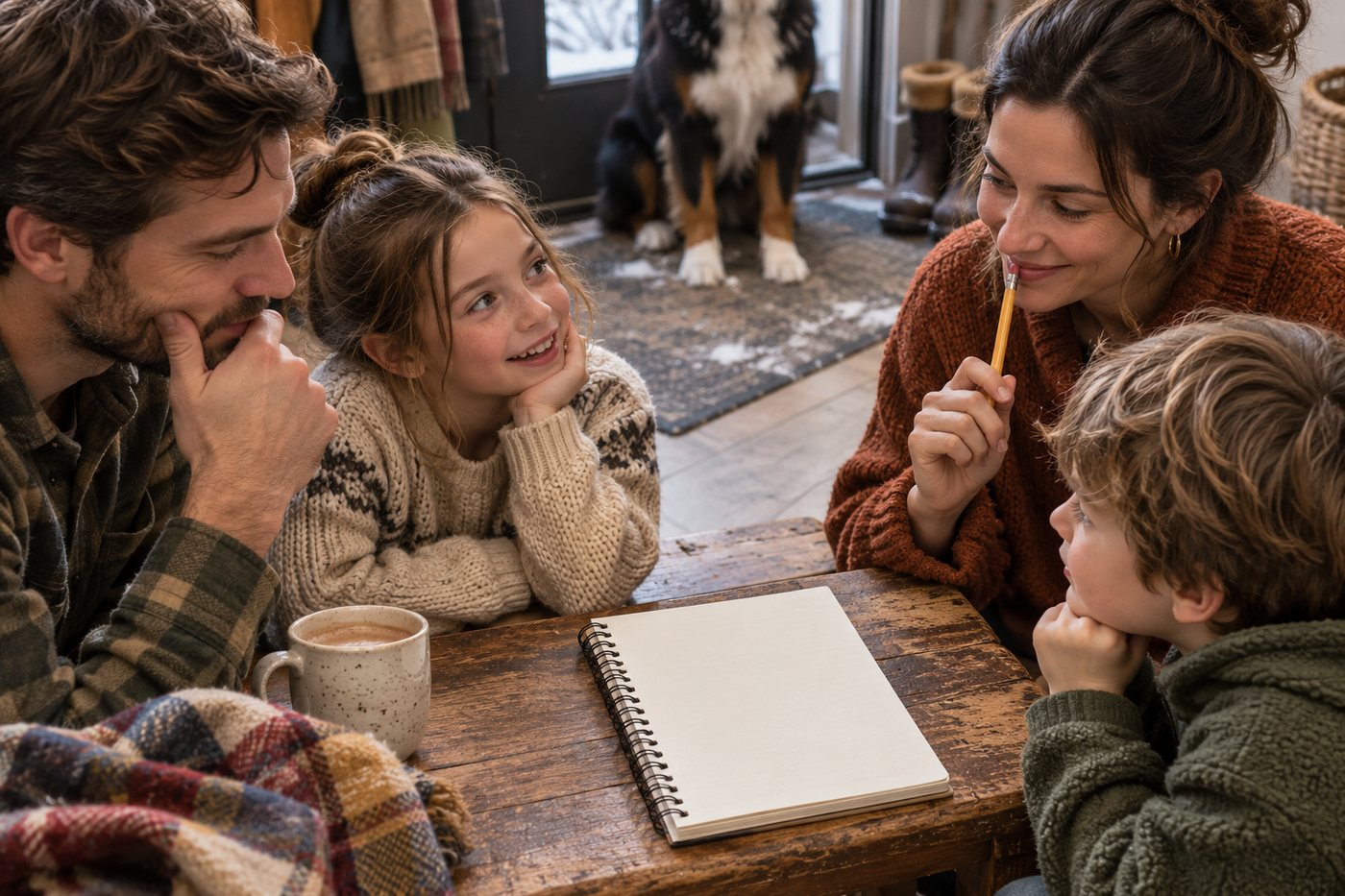
Then check the cues. The AKC advises avoiding names that sound like familiar cues, so say your usual cue words next to each candidate: sit, stay, down, come, wait, leave it, drop it. Kit rhymes with sit, so it could blur into a cue when you say it fast. A name like Clay rhymes with stay. Pepper and Willow sit clear of all of them.
Do the same with ordinary household words, including family members' names, okay, here, and no. A name that echoes a sibling's name makes everyone stop and sort out who was called.
Last, have every person who will say the name call it three times across a room. Note who stumbles, hesitates, or shortens it. The name everyone says smoothly on the first try has passed.
Narrowing to three names
Aim to leave with three names, one from each lane: a coat name, a personality name, and a wild card. Three is enough to compare and few enough to remember. Cross off any name that blurred with a cue, tripped someone up, or sounded wrong at the back door. What is left is your working list.
Here is a sample three for a cream, patched, mellow dog: Oat, Willow, and Moose. Each has one or two syllables, and none rhymes with a common cue. That shape is what to aim for. It is not a ranking.
Use each of the three for a few days at the door and at feeding time. Keep the one your household reaches for first. If two tie, choose the one that is easier to say on a rushed morning.
Related stories
Lena Ortiz
Lena covers the gear dogs use every day: harnesses, leashes, beds, bowls, and the supplies that collect by the front door. Her comparisons focus on fit, adjustment, cleaning, and value across different dog sizes. She looks closely at which features make a busy routine easier and which simply add bulk or expense.